Archive Home
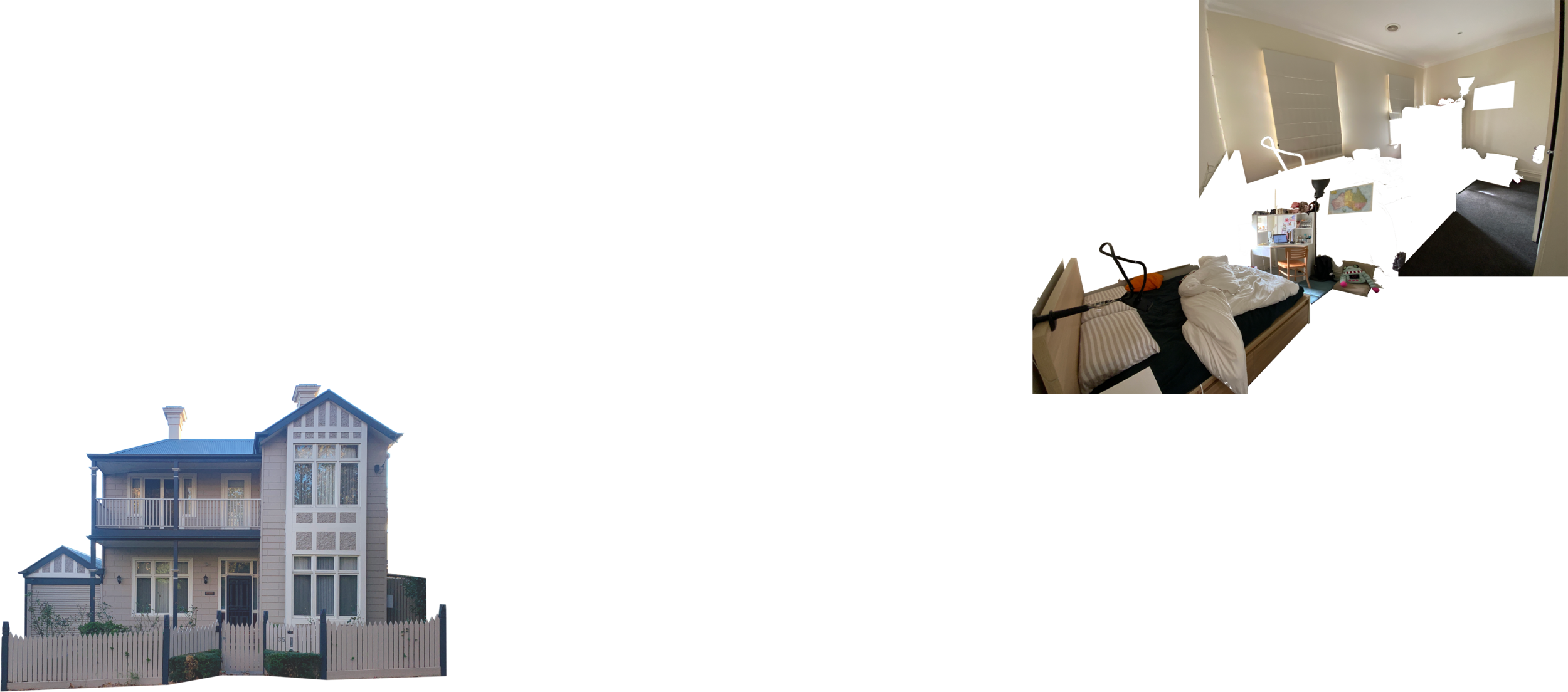
Introduced by ideas in Shelf Life, an issue of Harvard Design Magazine, I switched my research field from immaterial recollection and emotion of individuals to material objects around the existing living environment. Acting as a box, architecture was built to function as a sequence of space of storage. Storage is “the aggregation and containment of the material and immaterial stuff of culture; but also, the safeguarding-or-hoarding-of energy and tools for some imagined future purpose. “(Sigler 2016) Home stores our possessed objects that are representation of experiential story and emotion. The way we arrange and categorize the material objects speaks for the way of our engagement in the interactive storage of home.
What is inside the box that we call home? How does home enable the associative meaning within a collection?
I began to take my bedroom as the site of experimental practice. I started to document and number all the objects stored in my bedroom - taking them from their original positions, marking their positions on the floor plan, categorizing them in groups, taking pictures of them, labeling them with numbers. The whole process lasted longer than I expected. I was interrupted frequently while putting things back; the behaviors of re-arranging, discarding, cleaning, and regaining objects occurred often throughout the organizing process.
After repeating the documenting procedure for few times, all my belongings were extracted away from the room; the bedroom presented as its raw presence; it seemed no emotions or memories were attached in the space.
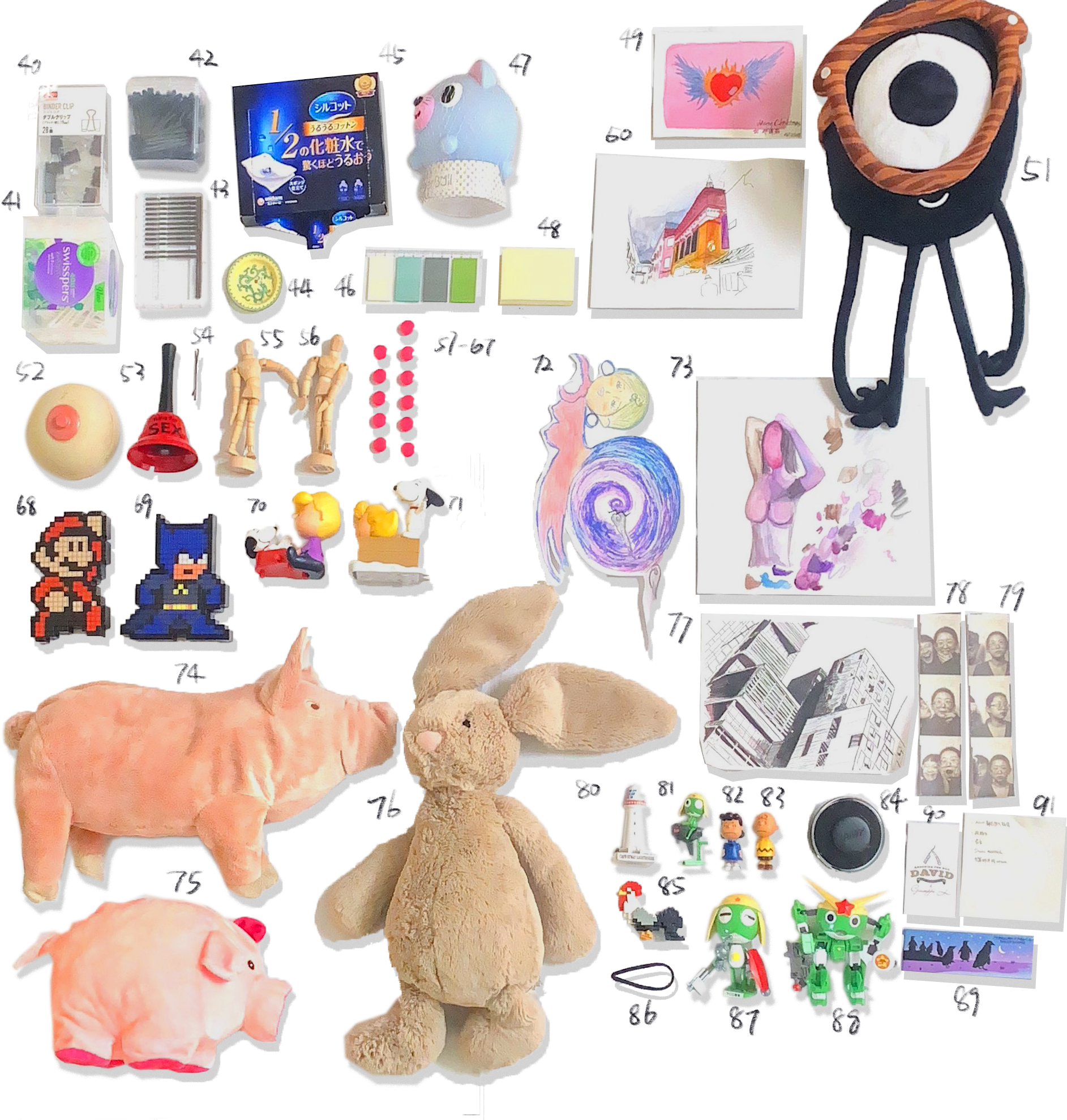
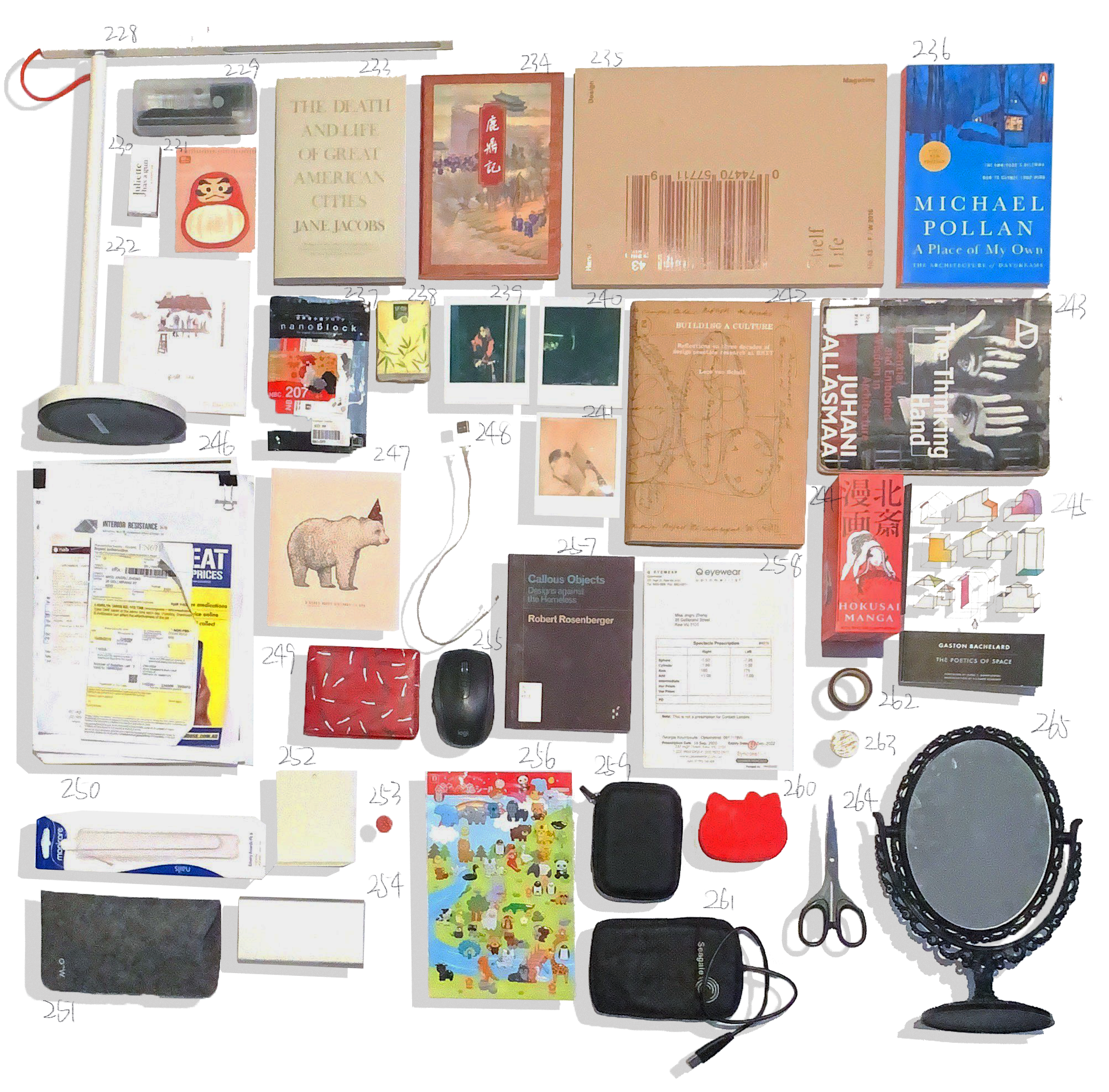
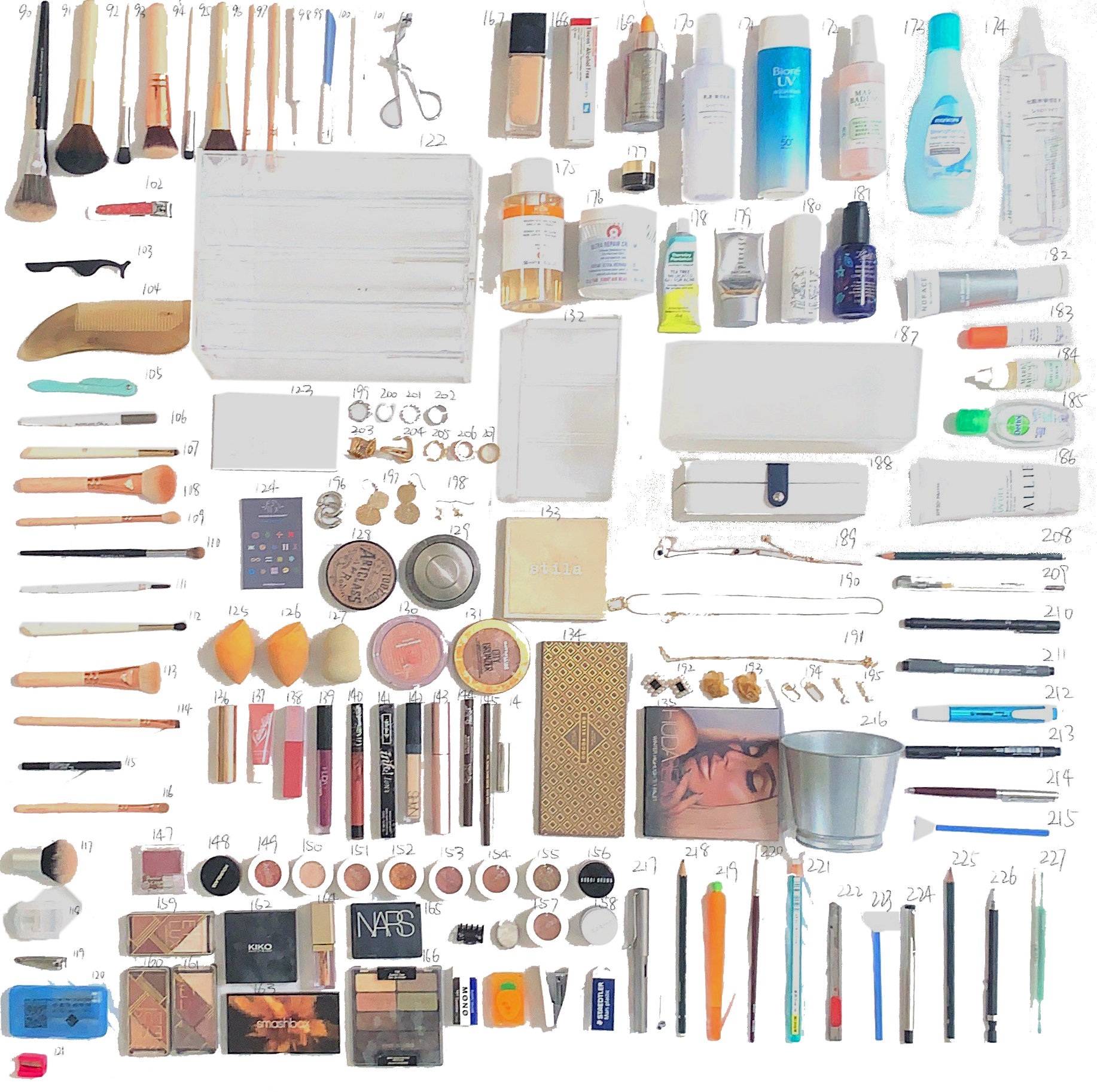
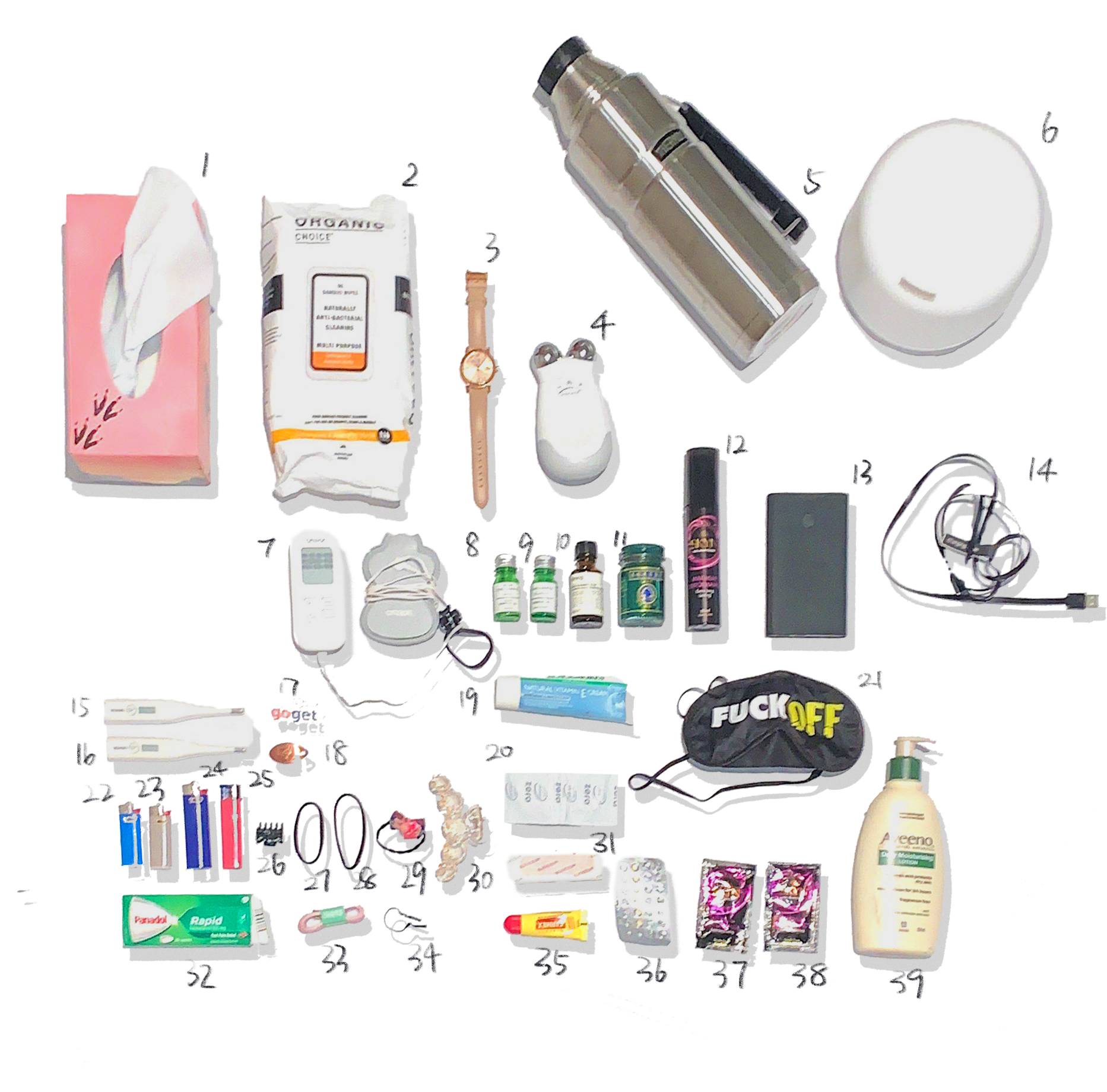
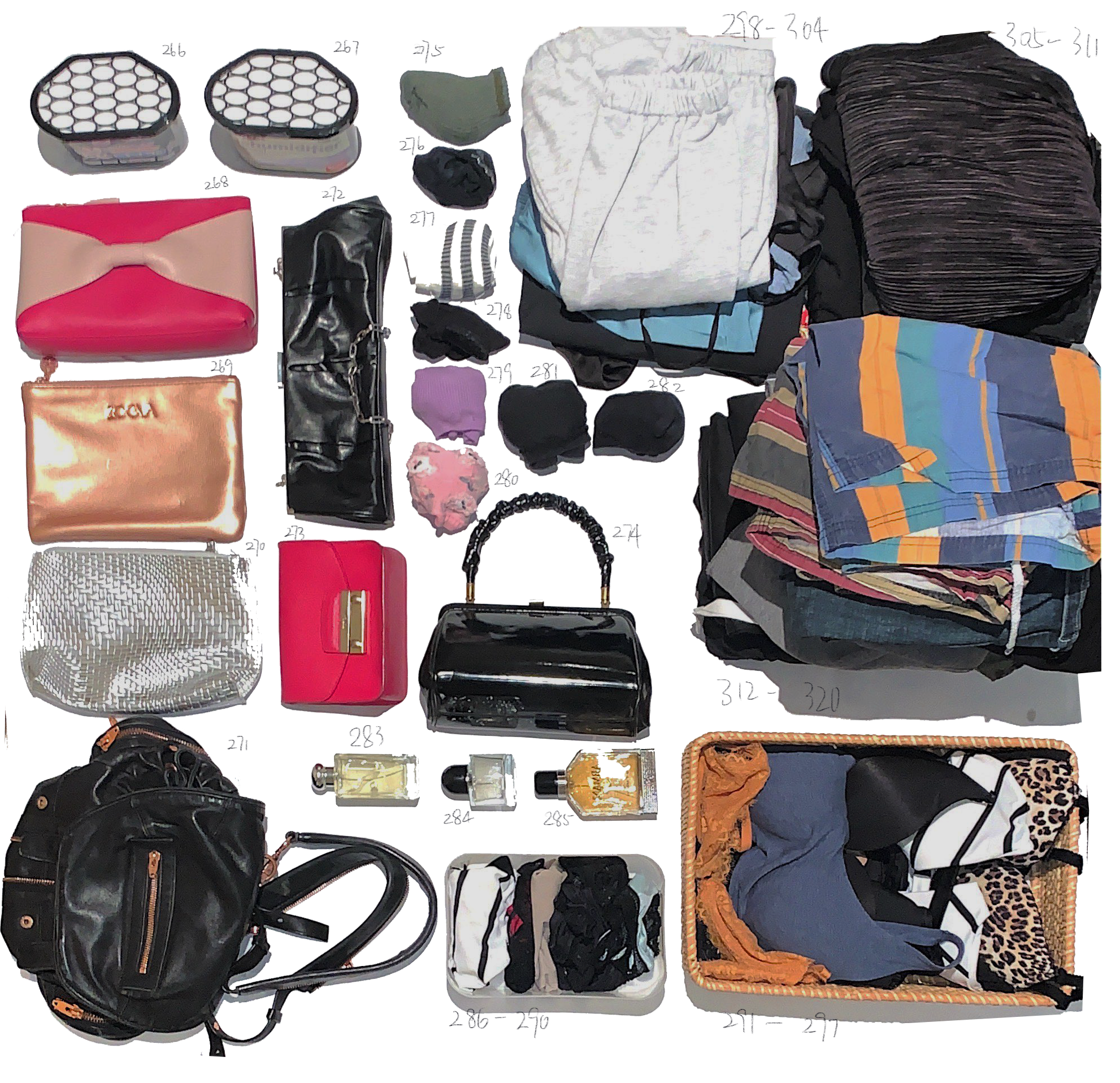

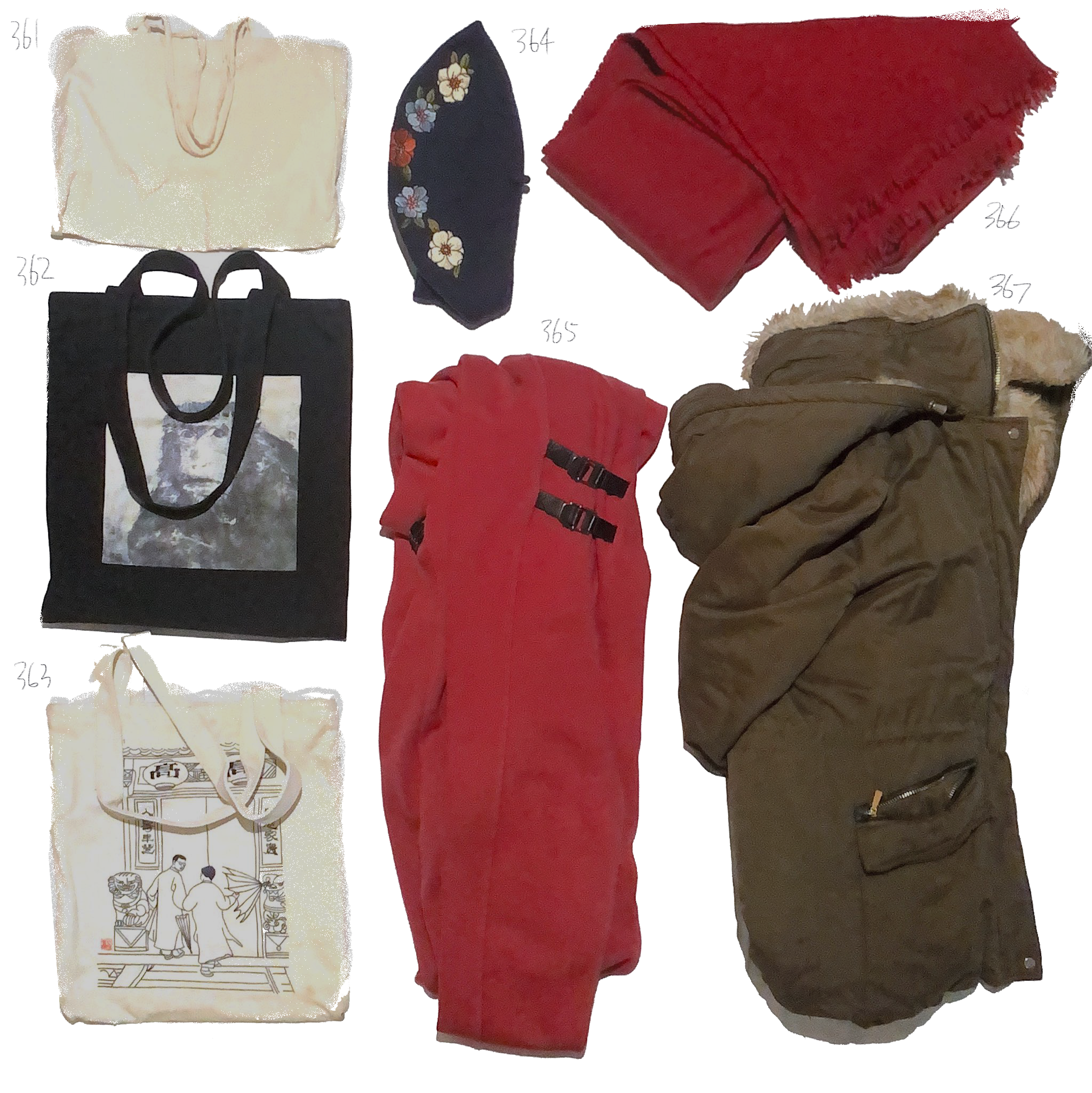

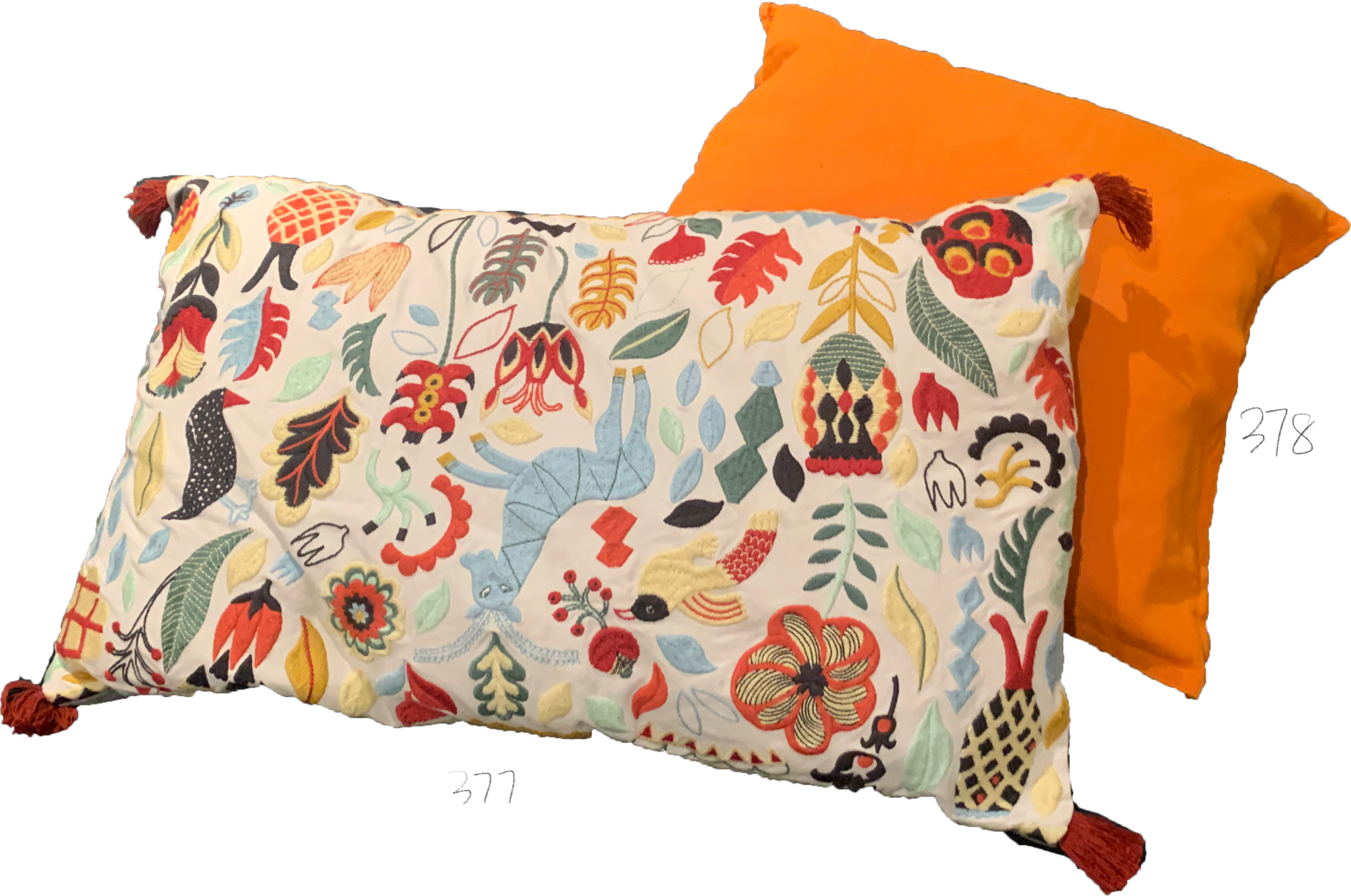
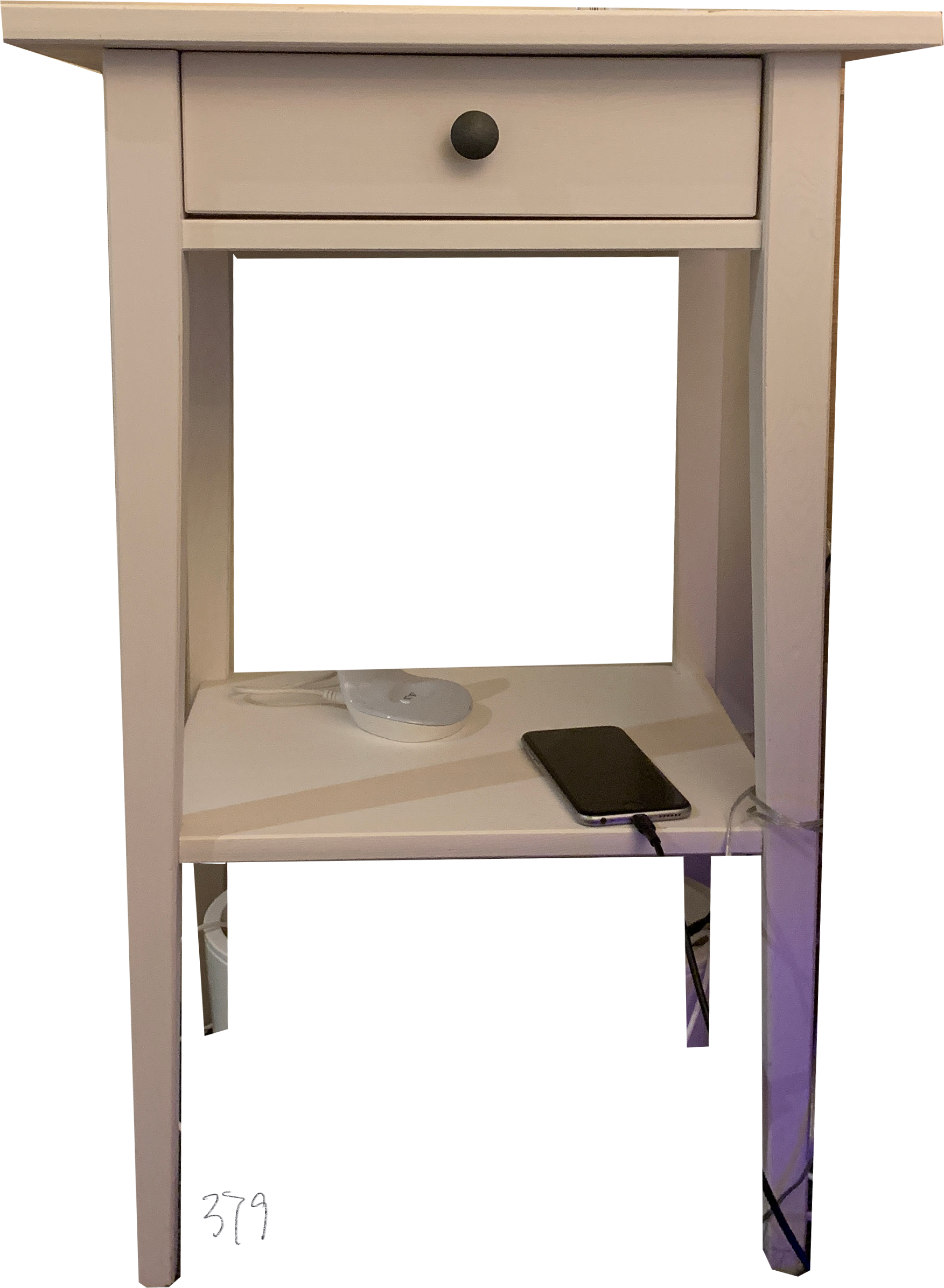
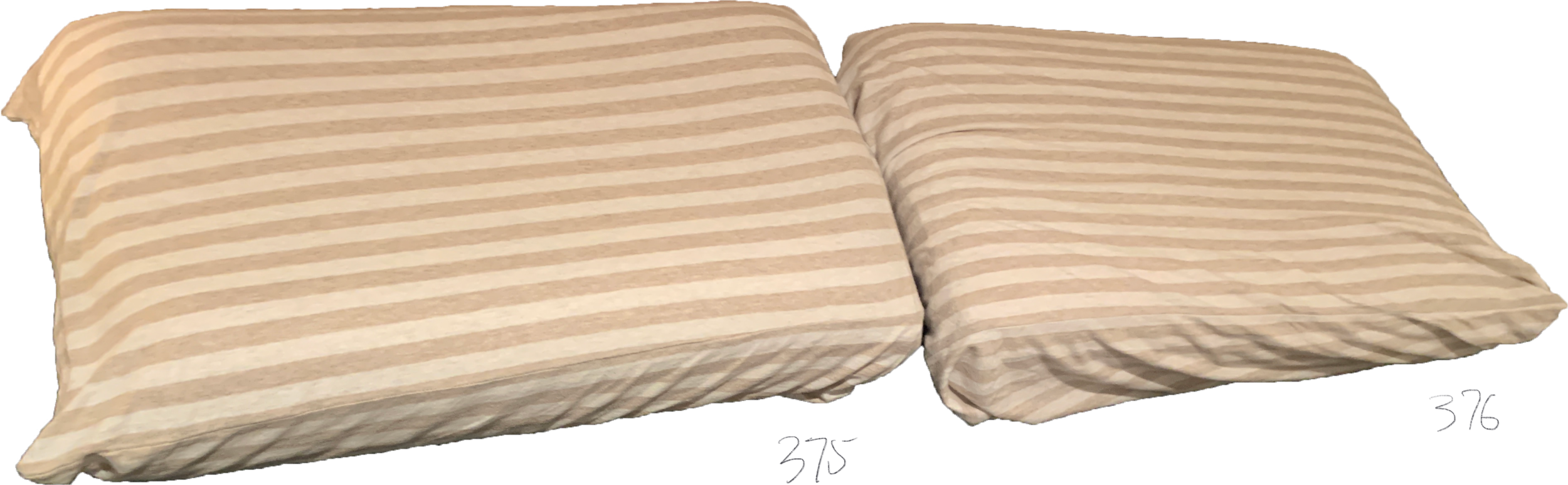
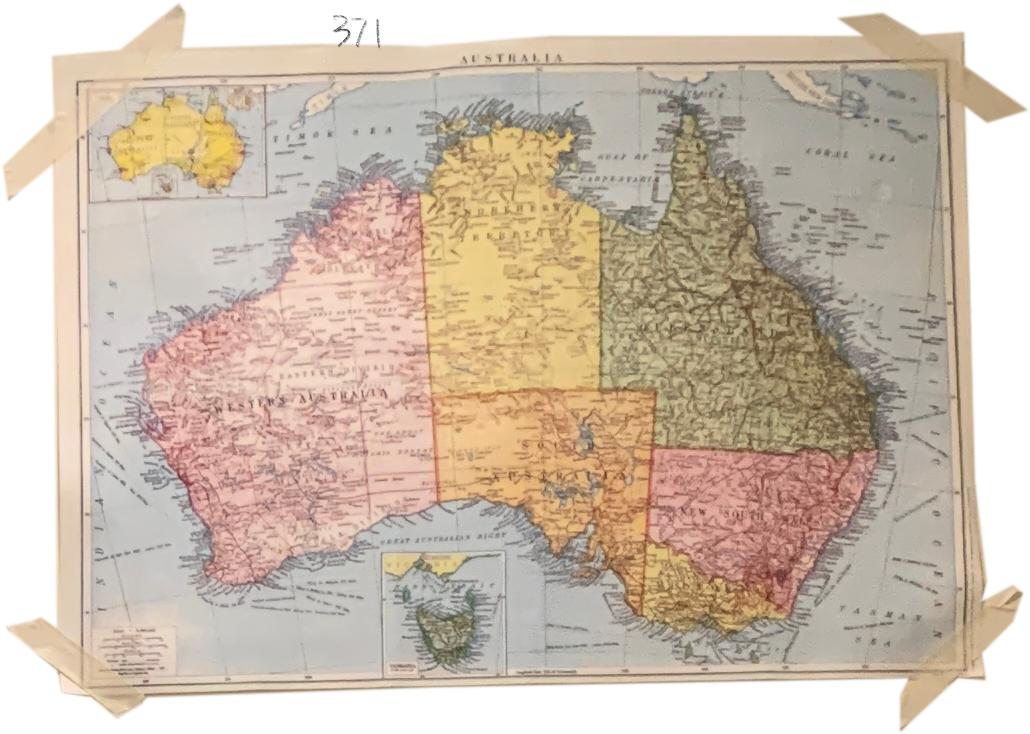
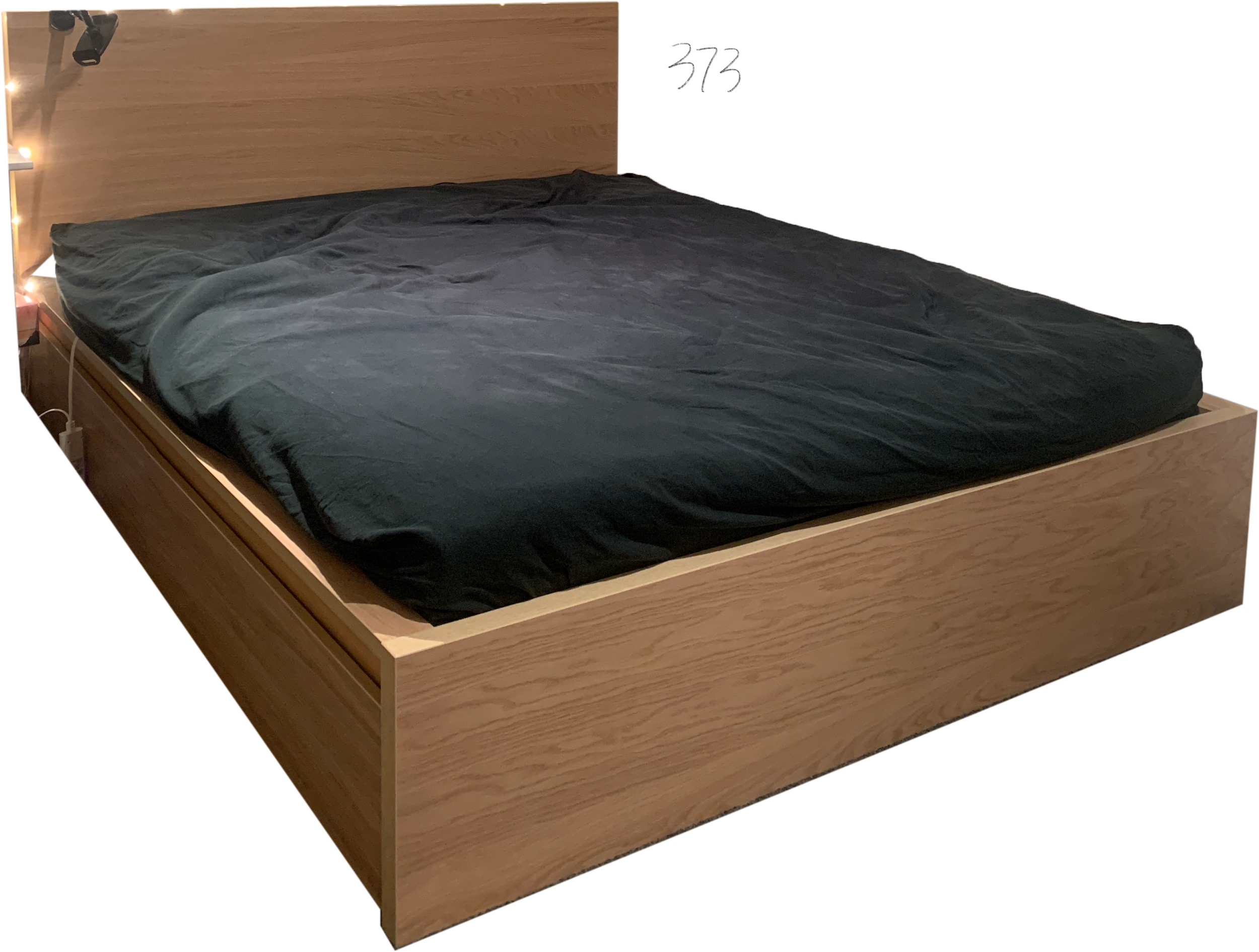

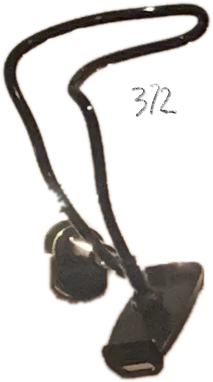
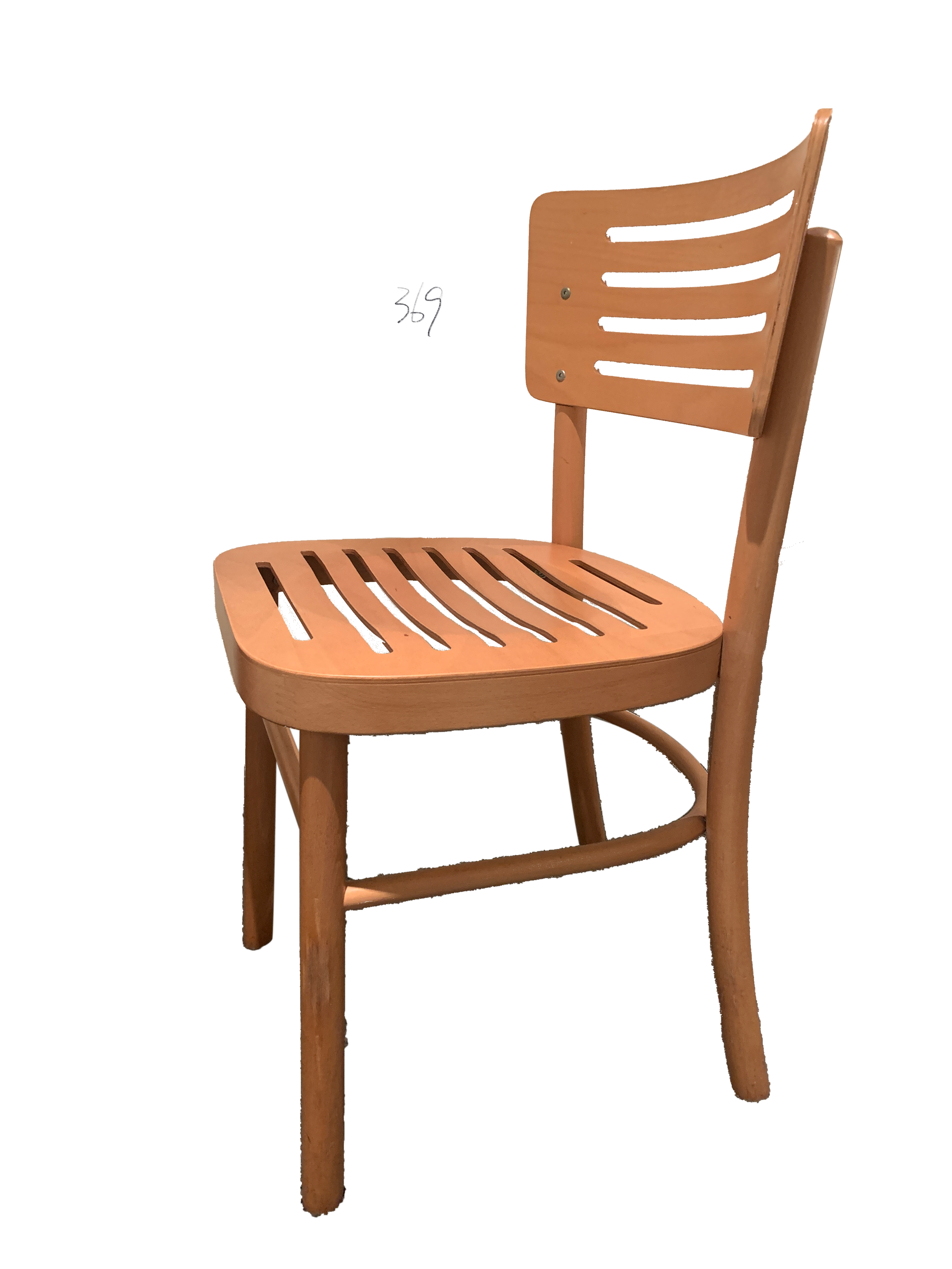
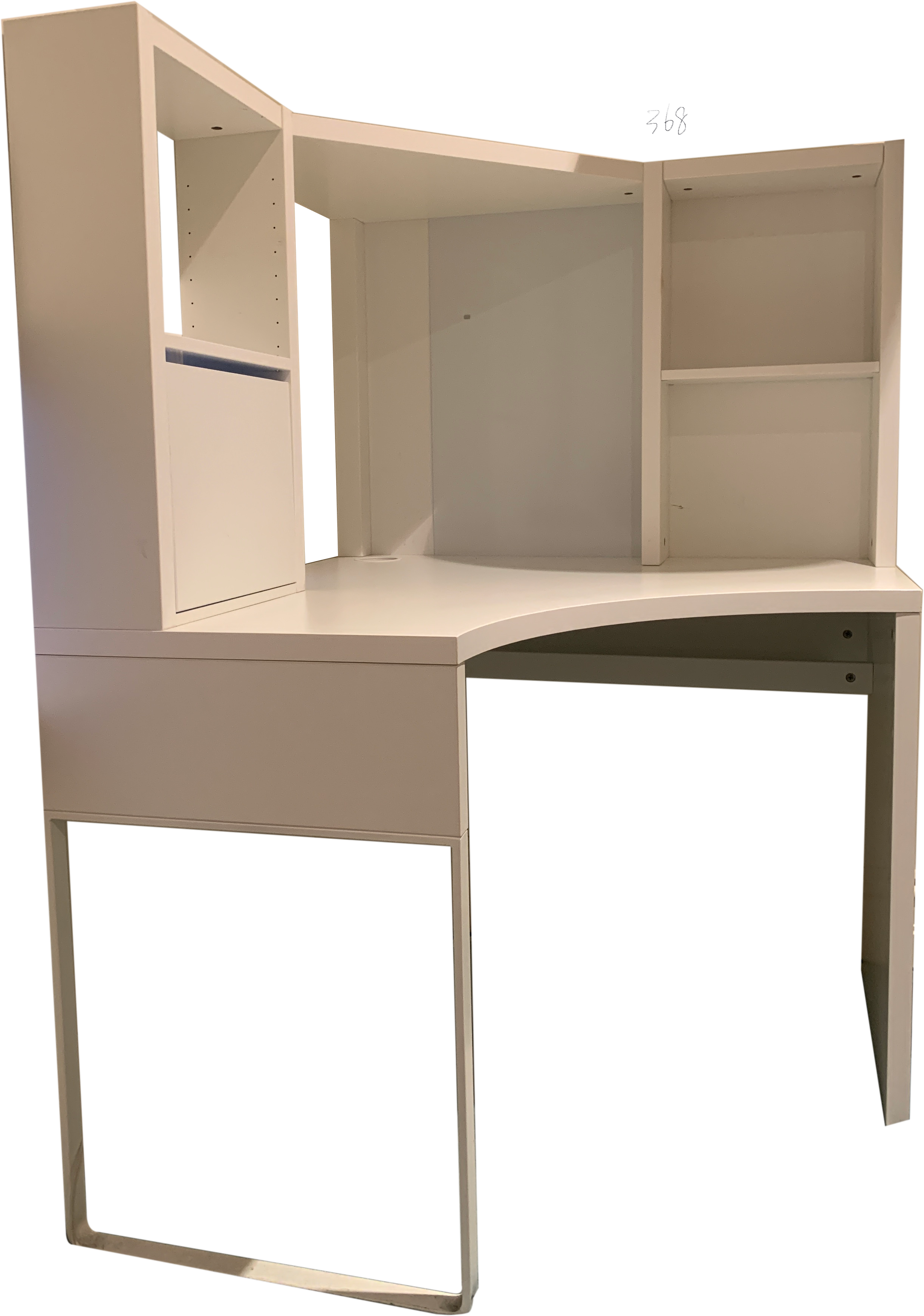
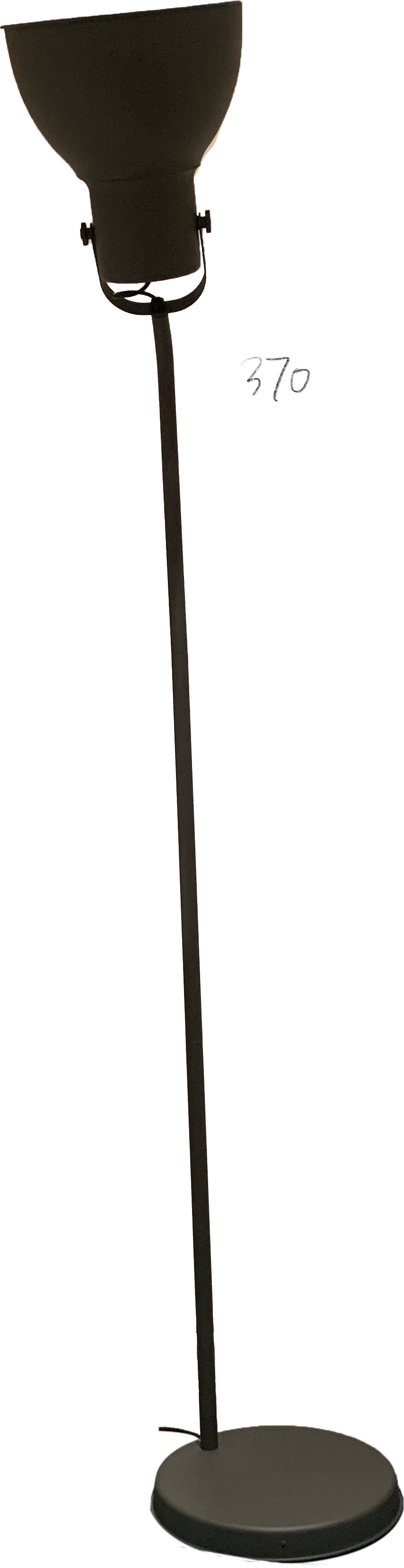
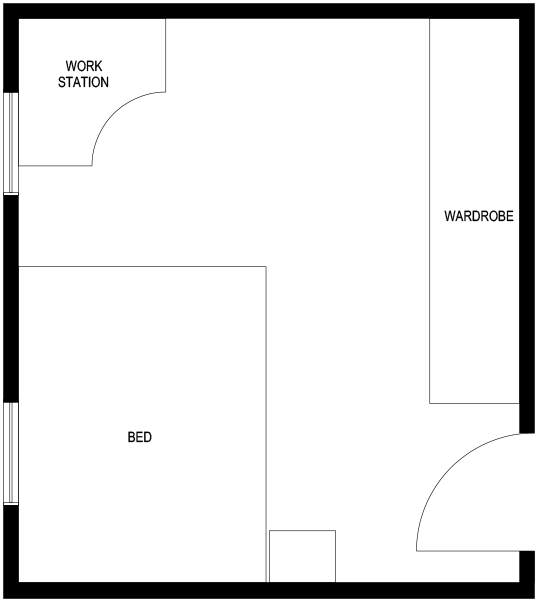
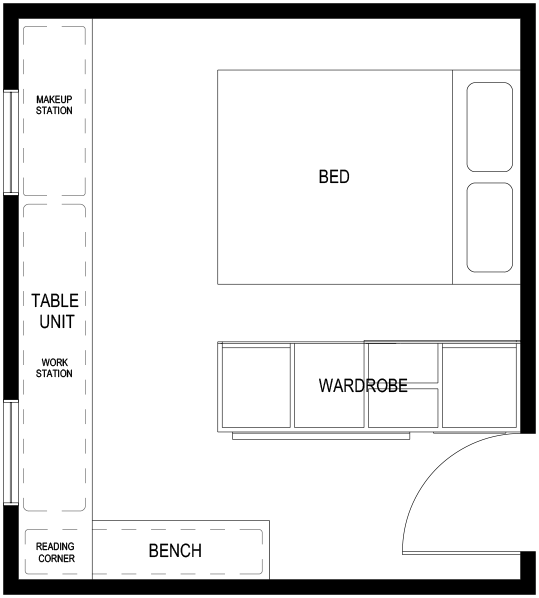
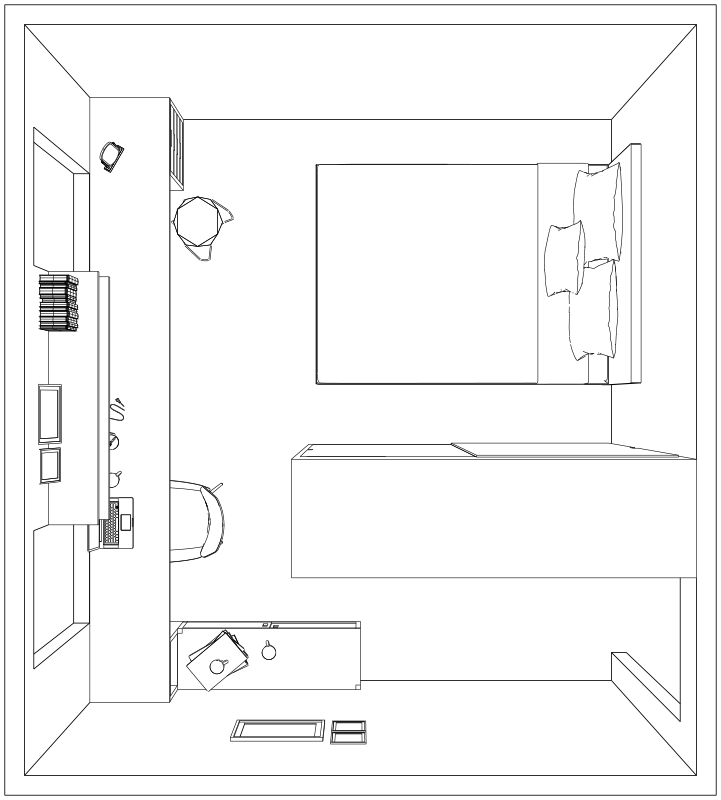
I had a clearer overview of what was inside my bedroom after documenting all my possessed objects. Then I have done a small residential practice – trying to redefine the storage space of my bedroom according to my personal conventional activities. I eliminated the original big chunk of wardrobe and replaced it by a more functional storage pod. Saving myself from the small corner study table with a tailored linear table aligned by wall across the whole room. Some other details like pin board and shelves hidden under the bench were designed for easier collection and better encounter and interaction with objects.
“At first, homes were reimagined as places of isolation and were converted for new and unexpected activities requiring for their reorganisation and adaption. The home became a sanitized lifeboat, protecting the inhabitants from harm and isolating them from their communities and families. Suddenly cleanliness was everything, where outside and others became threatening and alien, and the interior became a place of sanctuary.”